


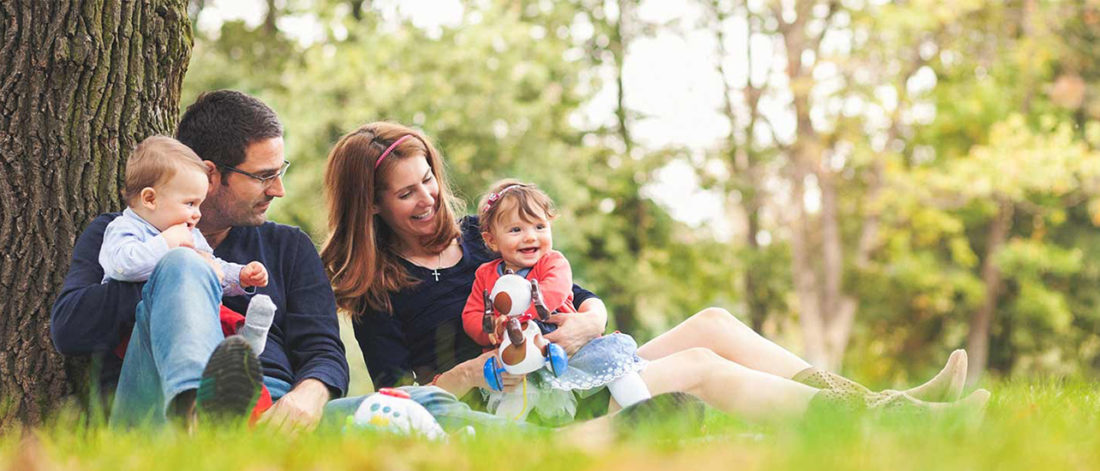



Q: With back-to-school time happening, I was thinking of getting my kids eyes examined to see if they’re OK. Or is there adequate screenings at school?
A: I believe screenings are a great idea, and I am very grateful to these useful programs for catching some children’s eye problems that would likely have gone undetected for too long. However, I’d still recommend young children come in for a thorough exam of visual function and ocular health, ideally before preschool, to ensure treatable problems are detected as soon as possible.
Community News
Class IV Laser for Chronic Pain
Chronic Pain? Acute Injury and a lot of swelling? Try Class IV Deep Tissue Laser which kick starts your body’s own healing capacity 2-3 times! It’s clinically proven by the World Health Organization to reduce pain and restore function to tissues. Injuries need blood flow and circulation to heal and laser does just that. Common ailments that have proven successful are: muscle strains, tendon injuries such as rotator cuff tears, as well as joint sprains. Even acute swelling or bruises can be treated with laser to accelerate the healing process and decrease scar tissue formation!
Benefits of Therapeutic Recreation
At the core of therapeutic recreation is the idea that recreation and leisure are integral to quality of life. This is especially important for seniors, who may be at increased risk of isolation and loneliness, which can have a detrimental effect on their physical and mental health. The recreation programming at Seniors Communities offers a number of benefits for the emotional and spiritual realms of life, including: 1. Decreasing symptoms of anxiety, stress, and depression. 2. Fostering positive experiences. 3. Improving self-confidence. 4. Increasing sense of belonging. 5. Decreasing loneliness, boredom, and expressive behaviours.
Can You Prevent Arthritis?
You can’t always prevent arthritis, but there are a few healthy habits you can practice to reduce your risk. One thing you can do is consume more fish. Fish are rich in omega-3 fatty acids, a healthy polyunsaturated fat. Omega-3s have several health benefits, and they can reduce inflammation in the body, lowering your arthritis risk. You should also focus on exercise, which not only takes the stress of excess weight off your joints, but also strengthens the muscles around the joints. Try your best to avoid injury. When you injure your joints, you can damage the cartilage and cause it to wear out more quickly.
Canada’s Seniors at a Glance
Healthy Ageing Canada projections show that by 2036, Seniors will account for close to 25% of the population. Women account for 52% of seniors aged 65 to 69 and for 75% of those 90 years or older. Differences in life expectancy between men and women have begun to narrow, a trend that is projected to continue. As is the case with all Canadians, fewer seniors are living in rural areas than in the past. 70% of seniors live in metropolitan areas, while another 9% resided in smaller urban areas (with a population of 50,000 or more). Most seniors live in private households—45% with a spouse or partner, 27% alone, and 18% with a child or grandchild. Only 7% live in an institutional setting.
How Stress Can Make You Feel
How stress can make you feel
Many things can cause stress. You might feel stressed because of one big event or situation in your life. Or it might be a build-up of lots of smaller things. This might make it harder for you to identify what’s making you feel stressed, or to explain it to other people. If you are stressed, you might feel: * Irritable, angry, impatient or wound up. * Over-burdened or overwhelmed. *Anxious, nervous or afraid. *Like your thoughts are racing and you can’t switch off. *Unable to enjoy yourself. *Uninterested in life. *Like you’ve lost your sense of humour. *A sense of dread. *Worried or tense. *Neglected or lonely. Some people who go through severe stress may experience suicidal feelings. This can be very distressing. Please seek help at a hospital emergency department or a local crisis line. In the Comox Valley the 24 hour Crisis Line phone number is 1 888-494-3888.
Family Caregivers of BC
Family Caregivers of BC (FCBC) is a provincial, not-for-profit that proudly and compassionately supports over one million people in British Columbia who provide physical and/or emotional care to a family member, friend, or neighbour. FCBC supports caregivers by providing access to information, education and supports so that caregivers feel more confident and successful in their important role. Call our free BC Caregiver Support Line: 1-877-520-3267
Volunteers Always Needed!
The strength of CVSS is its contingent of amazing volunteers. If you would like to visit with a lonely or isolated senior, or assist someone with accessing services in the community, or if you have another strength to offer, please contact us to learn more about providing support in your community. Beginning in September, volunteer training sessions will be done monthly so there will be only minimal waiting before you can begin! Volunteers are provided with monthly support meetings and regular education sessions.
Rheumatoid Arthritis & Oral Health
Rheumatoid arthritis can sometimes lead to other health complications, including oral conditions such as: 1) Oral infections – including bacterial and fungal infections. 2) Gingivitis – a mild form of gum disease that can cause swollen and tender gums. 3) Temporomandibular joint issues – causing pain when opening and closing your mouth. 4) Periodontitis – affects the bone and tissue supporting the teeth. 5) Sjögren’s syndrome – condition affecting the salivary glands that can lead to oral dryness and tooth decay. By seeing your dentist regularly and keeping up with your oral health through daily brushing and flossing, these conditions may be avoided or improved.
Fear of Falls Causes Unsafe Behavior
Someone who is fearful of falls, may start to avoid everyday activities by staying home and doing less. This lack of activity leads to the loss of strength, reduced muscle tone, and loss of coordination and balance. This deterioration of your physical being increases the risk of falling and, when a fall does occur, the fear is further heightened. Turn your fear of falling into positive actions: remain active, exercise regularly, use assistive devices such as walkers or grab bars, wear sensible shoes and consider participating in a group session with others who are anxious about falling.
Regaining Mobility & Independence
Our day-to-day lives often involve activities that require us to venture out into public, whether it’s going to the bank, attending medical appointments, shopping, or spending time with friends and family. For those who experience mobility challenges, simple errands can be more difficult and less convenient, especially when having to rely on others for transport. Mobility scooters can help you or your loved one regain a sense of independence and control as errands become easier and access to more destinations becomes possible again. Regaining mobility and independence can simplify our daily tasks and offer us more choices.
