


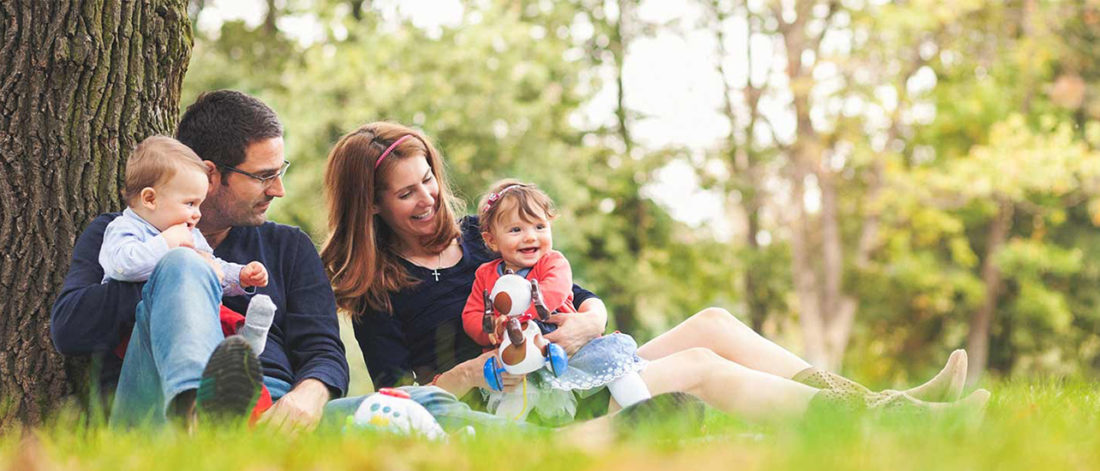



Today’s active seniors are looking to get the most out of their retirement. When weighing the options for senior living, consider how much the senior living industry has grown in the last five years. Independent living has become a retirement haven for seniors who want flexibility and peace of mind. It is designed for the independent senior with an active lifestyle who wants to simplify their worries of home maintenance, commuting, safety, social isolation, and health. Senior living in an independent living community is designed to streamline your life to give you the time to do the things you want to do.
Community News
Back-to-School Challenges
While many parents are thrilled for the start of a new school year, transitioning back to school can present challenges for young students—and parents should be mindful of their expectations. The shift from a relaxed summer to structured school days can be overwhelming. Reestablishing a consistent sleep schedule is often difficult, leading to fatigue and decreased focus. Children may face anxiety about new classes, teachers, and social dynamics, and the increased academic expectations can add pressure. Balancing extracurricular activities and schoolwork requires time management, so parents should gradually adjust routines, set realistic goals, and seek support if needed to ease the transition into a successful new school year.
Supporting Your Quitter
If your friend or loved one is trying to quit smoking, there are many ways in which you can support them on their journey. Familiarize yourself with the reasons quitting can be so difficult by reading articles, brochures, and other information. Understand your own relationship with smoking and ensure you are celebrating their successes, being supportive, and avoiding being too critical. Be positive when the person you know who is quitting wants to talk about their goals, setbacks, and other aspects of the process. Helping to distract your friend or loved one, or helping them to de-stress, can also be a great way to offer support.
Sympathetic Resonance Technology™
The Science of Resonance. Every material object and living thing has a natural resonance frequency determined by its physical structure. When exposed to external frequencies matching its unique resonance, an object becomes stronger, more stable, and its natural energies more coherent. This applies to humans as well; we sense and experience this energy in moments of relaxation, focus, and connection with nature or loved ones. Q-Link® products, featuring Sympathetic Resonance Technology™ (SRT™), reinforce the body’s resonance, returning it to a balanced state. SRT™ has shown effectiveness in numerous studies and has garnered positive feedback from users over three decades.
Healthy Workshops
At Whole Hearted Wellness by Loretta, we embrace a holistic approach to living well. I offer a range of services, including gut health workshops, whole-food nutrition guidance. If you’re interested in reducing inflammation and building healthy habits, join our Shred10 detox challenge starting Sept. 16. Plus, don’t miss our upcoming sourdough workshops on September 27 & 29 where you’ll learn the art of nourishing yourself from the inside out.! For more information call 204.218.9987 – Loretta Tetrault, Whole Hearted Wellness
What is an End-of-Life Doula?
An End-of-Life Doula is a non-medical professional trained to offer emotional, physical, spiritual, and informational support to the dying, their loved ones, and caregivers before, during, and after death. I advocate for end-of-life practices, including vigil, companionship, rituals, and home death, providing emotional, spiritual, and practical assistance. My mission is to bring peace and comfort during this sacred journey, whether through facilitating conversations, creating legacy projects, or simply being a comforting presence. Whole Hearted Wellness by Loretta Tetrault, Certified End-of-Life Doula—advocating and providing gentle, heart-centered support for you and your loved ones at life’s end.
Keep Your Cat’s Mind Sharp
Cats kept indoors live much longer than cats that roam outside, but they also need more stimulation to keep their minds sharp. From kittenhood, you should provide your cat with things that keep them mentally fit, such as scratching posts, a variety of toys, and puzzles for play and mealtime. As cats age, continue to spend time playing with them, and keep them occupied with access to a window and vertical spaces for them to climb. You can also work on training your cat throughout their lifetime when it comes to things like walking on a leash, for example.
Back-to-School Vision Care
Along with the usual back-to-school preparations, children’s vision should rank high in importance. It is not unusual for the refractive status of eyes to change up to age 18, but these changes are more likely during the early growth years. Young kids might not readily notice problems at a time when 80% of what they learn is through the eyes. In addition, eye muscle imbalances can affect reading and concentration, both of which are important for academic success and a confident student. Arrange for a professional and comprehensive oculo-visual assessment, including ocular health, for your child soon!
Local Business Spotlight
With Guided Journey Coaching your dreams will become a reality! Whether they are in career, health, relationships, personal or financial shifts, you transform the former version of you. I am right by your side to guide you through it all! Helping you avoid obstacles that can hold you back saves time, money and heartache. Having done the work myself, I understand what it takes to become that greater version of yourself. Providing a safe, confidential environment is where my heart is. As a team, we will start wherever YOU feel ready because you are always in the driver’s seat. Your success is my success!
Prepare & Strengthen Your Immune System
Do you have an underlying health condition that stops your immune system from protecting you the way it should? In today’s world, you need a healthy body and immune system to protect yourself. Now is the perfect time to strengthen your immune system and increase your body’s ability to fight off infection. Your body needs to stock up on the immune-boosting essentials it requires to fight colds, flus, and viruses. Specific nutrients for the adrenals, spleen, lungs, and lymph nodes are vital to boost your immunity. Now is the time to give your body what it needs to prepare for the months ahead.
Prepare & Strengthen Your Immune System
Do you have an underlying health condition that stops your immune system from protecting you the way it should? In today’s world, you need a healthy body and immune system to protect yourself. Now is the perfect time to strengthen your immune system and increase your body’s ability to fight off infection. Your body needs to stock up on the immune-boosting essentials it requires to fight colds, flus, and viruses. Specific nutrients for the adrenals, spleen, lungs, and lymph nodes are vital to boost your immunity. Now is the time to give your body what it needs to prepare for the months ahead.
