






Maintaining relationships and spending time with others is essential to our emotional and mental well-being. It can help prevent depression which affects 20 percent of the population over 70 years of age. Socializing also keeps the mind active and improvements are greater when the person is involved in fun interests with other people. Plan regular get-togethers with friends, such as a weekly lunch date or coffee with another senior or loved one. Scheduling social interactions give us something to look forward to on a regular basis. For those who are truly adventurous you can enjoy new experiences and meet new people by signing up for travel tours, book clubs, and much more at your local community centre.
Community News
Alzheimer’s & Home Safety
If you are part of a family that includes a loved one living with Alzheimer’s disease, it’s important to remember that one of the keys to aging at home is doing so safely. Safety at home begins with adapting the environment to support the changing abilities of the person with Alzheimer’s. Tips to help safeguard the home include: Install safety latches/locks on the doors and fenced/gated exteriors; Limit access to knives and harmful chemicals; Install grab bars for safe movement; Keep furniture in the same spot to avoid confusion; Install alarms on the doors, and store car keys in a locked container.
Tinnitus Causes And Treatment
Tinnitus is a ringing, buzzing, or hissing sound in the ear, ranging from bothersome to debilitating. Linked to various medical conditions, causes are diverse. Hearing loss from noise exposure or aging is common. Other causes: earwax, jaw misalignment, trauma, tumors, fatigue, meds, infections, diseases. Treatments vary, aiming to reduce intensity and reaction. Options include sound therapy, relaxation, cognitive behavioral therapy, tinnitus retraining, and hearing aids. Prevention involves safe listening, healthy lifestyle, and regular hearing tests. Tinnitus need not be a lifelong burden; various treatments and preventive measures can improve quality of life.
Learn a New Skill this Fall
This fall, seniors have a golden opportunity to embrace the joy of learning new skills. Whether it’s mastering digital photography, delving into creative writing, or exploring the intricacies of gardening, the season offers a perfect backdrop for growth. With a wealth of online resources and community classes, seniors can engage their minds and passions, fostering a sense of accomplishment and connection. Learning not only enhances cognitive function but also brings fulfillment and a renewed sense of purpose. Embracing the vibrant hues of autumn, seniors can embark on a rewarding journey, proving that it’s never too late to acquire fresh skills and enrich their lives.
Minor Ailments and Contraception Services
Your personal pharmacist has the knowledge, training and authority to assess and prescribe for minor ailments and contraception. Minor ailments are health conditions that can be managed with minimal treatment. If you have a skin rash, fungal infection, heartburn, seasonal allergies, shingles, UTIs or a vaginal yeast infection, visit your pharmacist for a free assessment. After the assessment, your pharmacist may prescribe medication or refer you to another healthcare provider. If a prescription is issued, a prescription fee applies, just like prescriptions issued by a physician. Your primary care provider will be notified to support continuity of care and treatment outcomes.
Gaming vs Gambling
Once upon a time, gaming and gambling were separate forms of entertainment, vying for their respective market share. In today’s world, now that people of all ages have wide-ranging access to the internet and smartphones, these industries have become powerhouses within their respective worlds. How people gamble has changed. How our youth play video games has changed as well: Never-ending self-contained online worlds, rife with micro-transactions fuel increased spending to simply keep up in the game. If this all sounds foreign to you, please connect with an under-40 gaming enthusiast near you. Gaming and gambling have changed. Now, there is even more reason to make sure we are doing both responsibly.
What Causes Tinnitus and How Can I Treat It
Tinnitus
Sufferers of tinnitus often describe it as a loud ringing, whirring, roaring, hissing, clicking, or buzzing sound in the ear or head.
The sound can range from intermittent and annoying to constant and debilitating and can even impede your ability to hear. Researchers have linked tinnitus to a variety of medical conditions, so treatment options are just as variant.
What causes tinnitus?
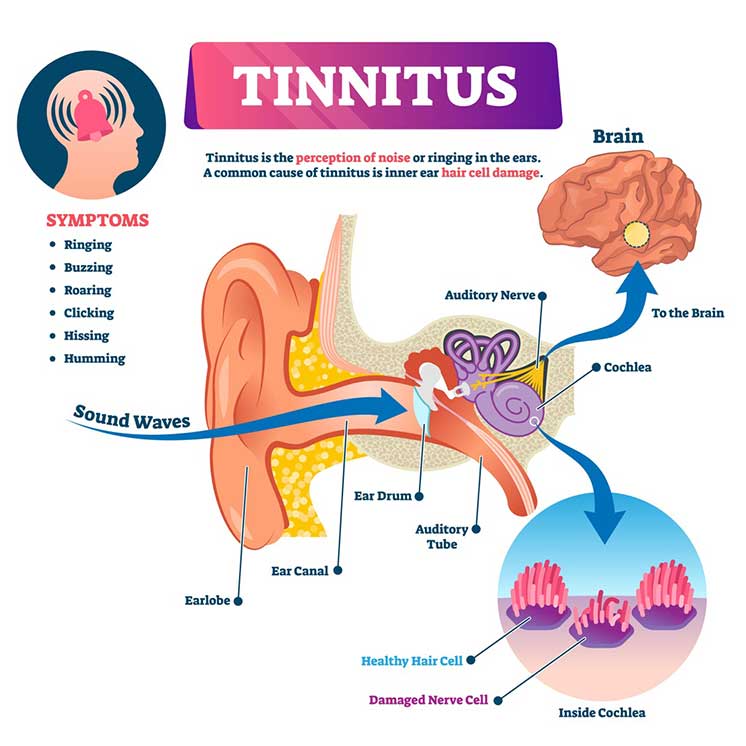
Tinnitus is a symptom of a variety of health conditions, so it can be hard to pinpoint the cause. However, a health professional may find a correlation between the onset of one medical issue and the period when your tinnitus began.
One of the most common causes of tinnitus is hearing loss. Excessive noise exposure resulting in permanent damage to the auditory system and hearing loss due to aging are the most common reasons for the onset of tinnitus.
Other tinnitus causes include:
- Wax buildup in the ear canal
- Jaw misalignment
- Head and neck trauma
- Certain types of tumors
- Fatigue
- Certain medications such as aspirin and quinine
Ear or sinus infections
Some diseases and disorders such as Meniere’s disease, hypothyroidism, cardiovascular disease, and kidney disease.
Treatment Options

Tinnitus can be such a persistent condition that many people just “learn to live/deal with it,” but going all or most of your life with a compromised hearing experience does not have to be a life sentence.
Two general approaches to treating tinnitus are to reduce the intensity and to reduce the patient’s reaction. These approaches can overlap and include:
- Masking through sound therapy – Uses an external sound source to eliminate or reduce the awareness of the tinnitus
- Relaxation therapy – utilizes progressive muscular relaxation to reduce overall reactions to stress
- Cognitive behavioural therapy (CBT) – uses attention control, imagery training and relaxation methods to create more positive thinking about tinnitus
- Tinnitus retraining therapy – a combination of directive counselling and sound therapy
- Hearing aids – this solution can be combined with masking treatments, sound therapy, CBT and relaxation therapy. This may be the ideal solution if you also have a hearing loss
Tinnitus Prevention
Since a variety of health conditions can trigger tinnitus, an overall healthy lifestyle can reduce your risk.
- Practice safe listening by wearing noise protection in loud environments and reducing your noise exposure.
- Eat healthy and stay active to reduce your risk for diseases that could trigger tinnitus.
Healthy hearing begins with a hearing test. If you think you may have a tinnitus related hearing loss, or even a hearing loss in general, you can book a free, no obligation hearing appointment at HearingLife today.
Focus on What You Want
When someone heads towards their goals, versus trying to move away or reduce something, the outcome is more positively directed. By looking to something rewarding, success has a better chance of taking place. It also helps to focus on what you want to bring into being, as opposed to dwelling on what you don’t want anymore. A positive attitude is very powerful. When you have a positive attitude, negative thoughts are much less likely to come to mind. Positive thinking can help to control stress and also improve health.
Retirement Living
When you hear the words “independent retirement living”, what comes to mind? Do you think of *tasty home-cooked meals, *five-star plated celebrations, *fun-filled activities with friends, *weekly housekeeping and linen service and *24/7 emergency care when needed? This is what retirement living can offer and more. Whether relaxing in the privacy of your individualized senior apartment or indulging the company of others in a main living room, patio side lounge or dining room, you can be sure that your retirement will be a pleasurable one. Retirement is a time to relax and enjoy being with friends. After all, friendships are gifts to be treasured!
Food for Thought
A multi-pronged brain fitness program includes nutrition, exercise, stress reduction, social interaction, sleep and stimulating activities. Cognitive fitness is the bedrock of a rewarding and self-sufficient life. The brain is constantly at work, even while you’re asleep. The brain communicates with systems throughout the body via neurons, or nerve cells, impacting your entire body. Reading books, playing word games and learning to play an instrument are all stimulating activities to impact cognition. Water is necessary in nearly every function in the human body, making adequate hydration crucial for maintaining good health. Research shows being dehydrated may impair brain function and cause low energy levels.
Fall Prevention Tips
Falls are a leading cause of injury among older adults. Here are tips for fall prevention: *Keep moving – activities like walking and tai chi can reduce the risk of falls by improving strength, balance and flexibility. *Wear sensible shoes – properly fitting, sturdy, flat shoes with nonskid soles help with balance and stability. *Consult your healthcare provider or pharmacist – they may want to talk about your medications and health conditions if you’ve had falls previously. Changes to your vision or undiagnosed foot problems can also increase the chances of falling. Preventing falls reduces injuries and may help you stay in your home longer.
