


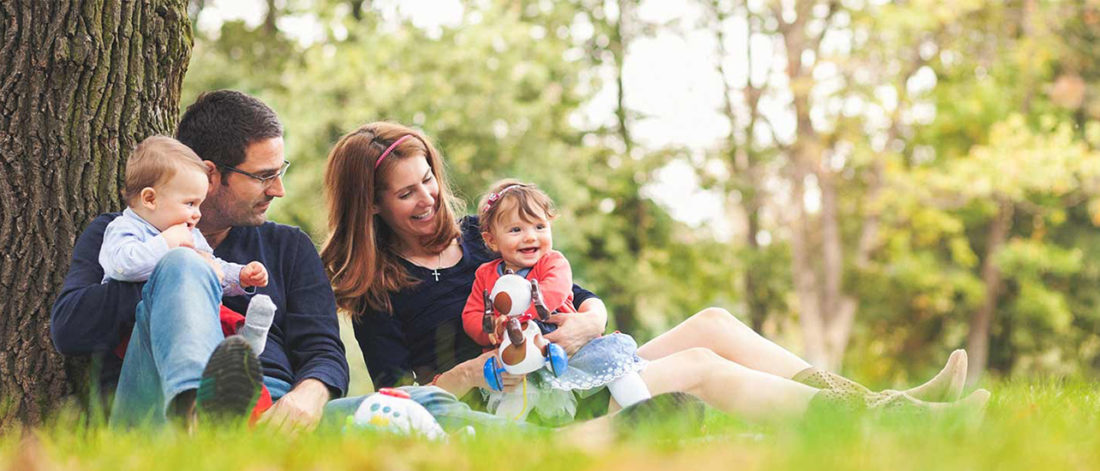
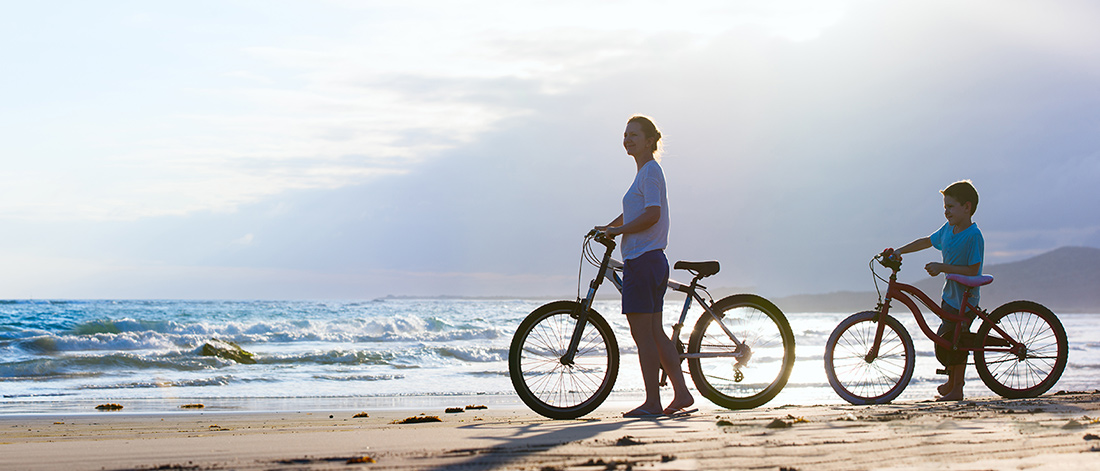


During the summer, individuals with dementia may face unique challenges. High temperatures can increase the risk of dehydration, heat exhaustion, and confusion, which may worsen cognitive symptoms. Bright sunlight and long days can also disrupt sleep patterns, contributing to agitation or sundowning. Outdoor activities should be approached with caution, ensuring shade, hydration, and supervision. Wearing identification and appropriate clothing is essential in case of wandering. Caregivers should monitor behavior closely and maintain routines to provide comfort and familiarity. Creating a cool, calm environment indoors can help minimize distress. With thoughtful planning, summer can still be a safe and enjoyable season.
Community News
Keep Your Pet Cool This Summer
Did you know that heat stroke can lead to brain damage, organ failure, and death? Let’s keep your pets safe, healthy & happy. Don’t let them play hard on hot days and make sure they have access to fresh water. Before walking your pets, test the temperature of the pavement. If you can’t hold the back of your hand on the pavement for 10 seconds, it is too hot for your pets’ pads. Never leave your pet in a vehicle, even for “just a minute” while you run errands. Studies have shown that, even with the windows partially open, interior temperatures can rise to over 38 C in about 7 minutes at 31 C.
Optimize Your Golf Game
Have you taken that first swing and felt off? Whether you’re rushing to your tee time or focused on your first big drive, it’s easy to skip a proper warm-up. But skipping it can lead to a frustrating game—or worse, injury. Before warm-up swings, start with 5–10 minutes of stretching and mobility work. Focus on your shoulders, spine, and hips to boost flexibility and get your blood flowing. Dynamic moves like arm circles, torso twists, and lateral lunges can improve your range of motion and help prevent strain. A quick warm-up sets you up for a smoother, more powerful round.
Staying Nourished and Hydrated
Staying hydrated and eating well are vital for seniors during the summer. Older adults may not feel thirsty even when their bodies need fluids, increasing the risk of dehydration. Drinking water regularly, even without feeling thirsty, is essential. Include hydrating foods like watermelon, cucumbers, and oranges in daily meals. Avoid excessive caffeine and alcohol, which can dehydrate. Light, balanced meals rich in fruits, vegetables, and lean proteins help maintain energy and digestion. Eating smaller, cooler meals more frequently can also be more appealing in hot weather. Proper hydration and nutrition support overall health, energy levels, and temperature regulation in summer.
Trusting Myself Fully
I invite you to take out a pen and paper and complete this sentence with your dominant hand: “If I trusted myself completely, I would do/say or make happen” ……? Then with your non-dominant hand respond: “What holds me back from fully trusting” ….? When we struggle to create or share what we truly want, it’s often because there is a missing part of ourselves lost, frozen or trapped in time. When we seek validation from those outside ourselves over the wisdom that resides within us, this leads towards 2 big compromises: 1) Seeking and chasing the need for constant approval (anxious attachment) or 2) avoiding and rejecting what we desire, so we don’t feel the disappointment and rejection (avoidant attachment). Relationships are a shared energy, the more we trust our gut knowing, the better we can trust, share and receive what we truly desire.
Managing Your Sleep Apnea
Sleep apnea is a condition where breathing stops during sleep, causing fatigue and health risks. Self-care helps manage symptoms. Maintain a healthy weight, sleep on your side, and avoid alcohol or sedatives before bed. Quit smoking and follow a regular sleep schedule. Use CPAP or prescribed devices consistently and keep them clean. Managing related conditions like high blood pressure and GERD is also important. Create a calm sleep environment and limit screen time before bed. Always consult a doctor for diagnosis and treatment. Self-care supports medical therapy but doesn’t replace it.
Achilles Tendinopathy
Achilles tendinopathy can be a painful and uncomfortable condition and can often limit recreation activities such as running. When this condition is acute, it can be a difficult condition to manage. Evidence treatment options such as laser therapy, soft tissue therapies, gentle exercises and athletic taping can aid in symptom and pain reduction. In longstanding chronic cases, shockwave therapy can be useful for improving pain and function. An emphasis on rehabilitation at this stage is also important. If you would like to discuss treatment options for Achilles tendinopathy book an initial consultation with our chiropractors and we can build a treatment plan to best suit your needs.
Are you Living Your Great Life?
If you feel that you are not living the life that you want, you are not alone. Many struggle with clarity, time, or energy to pursue their dreams. Whether you’re thriving or in deep struggle, we help create big, lasting changes. From birth, we absorb beliefs that shape our experiences—many false and limiting. We uncover these blocks and provide tools to realign with your true self. Imagine having everything you need to transform your life. How does that feel? What could change? Make a Wave has helped countless people shift from what they don’t want to what they do. Let’s guide you into your GREAT LIFE!
Self-Care Day
Self-Care Day on July 24th reminds us that self-care is important 24 hours a day, 7 days a week. For teens, it’s a great time to take charge of personal health—starting with their smile! Healthy teeth go beyond appearance; they impact confidence, nutrition, and overall well-being. Brushing twice daily, flossing, and limiting sugary snacks help prevent cavities and gum disease. Regular dental checkups are important, even in your teens. Taking care of your teeth builds lifelong habits and self-discipline. This Self-Care Day, take one small step—like improving your oral hygiene—and feel the confidence that comes from caring for yourself.
Hear Every Moment of Your Vacation
Vacations are filled with unforgettable sights, sounds, and experiences—from waves crashing on the shore to laughter around the campfire. To truly make the most of your getaway, don’t overlook your hearing health. If you wear hearing aids, make sure they’re clean, charged, and travel-ready. Pack extra batteries or a charger, and consider a waterproof case for added protection. If you’re noticing changes in your hearing, book a hearing check before you go. Clear hearing helps you stay connected, safe, and fully immersed—so you can savor every conversation, sound, and memory your travels bring.
Ask The Expert
Q: I wear disposable contact lenses but I kind of worry about that being wasteful. Should I really be throwing them out all the time?
A: Your eyecare provider may have access to a recycling system for that – you may have to ask. Some contact lens manufacturers have programs to take back blister packs and even the contact lenses themselves for recycling. Cardboard packaging can be put in your household recycling of course. As an aside, it is safer for the environment if soft contact lenses are not flushed away as that can contribute to microplastic pollution. Come see us at Mosaic for all your contact lens needs!
